
Cycling betting 2026: how the bookmakers price the Grand Tours and WorldTour
 Available in US
Pro cycling has moved well past the months where the Tour de France was the only race the betting public cared about. The WorldTour calendar now keeps price open on stage races from Australia to China, classics across Belgium and Italy, and one-day World Championships that draw serious handle even outside July. The bookmakers have followed. A decade ago a cycling market meant a handful of ante-post prices on the Tour; in 2026 it means stage winner markets, head-to-head match-ups, GC podium positions, points classification finishes, kilometres-led markets, and in-play on every live feed a UK-licensed site can stitch together. This page is a working guide to that side of the market — what the licences cover, what the calendar offers, where the ten UK-licensed bookmakers in this comparison sit, and what each percentage of margin actually does to a punter’s bottom line.
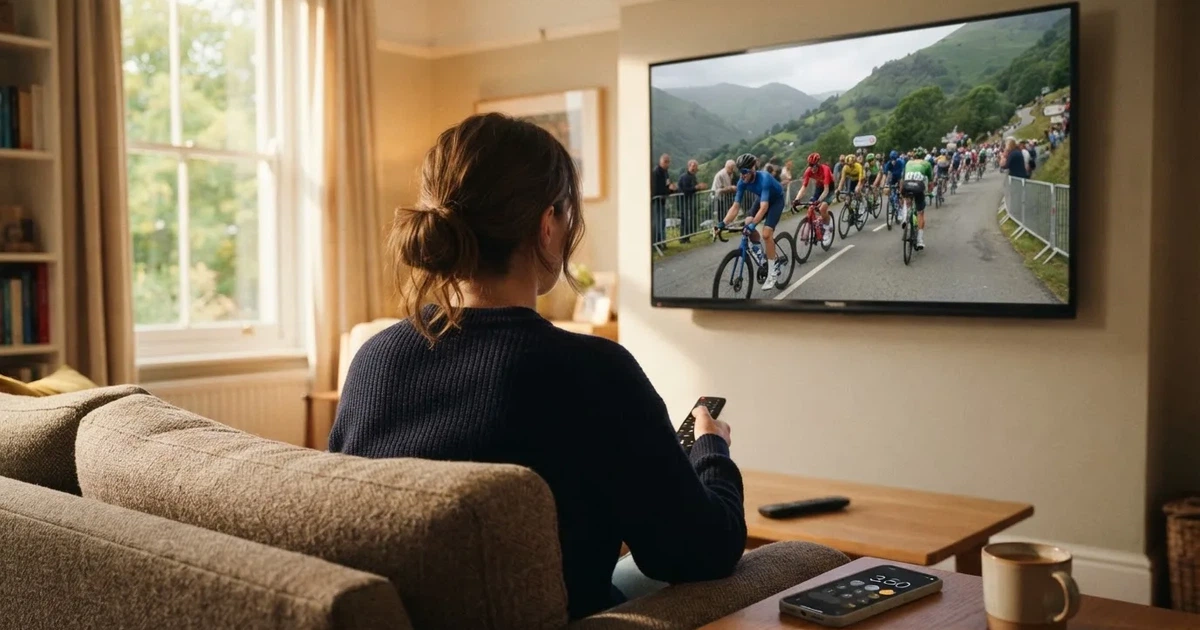
A snapshot of the data this page was built on sits in the line below. It is dated, named, and meant for anyone who wants to check the figures rather than take them on trust.
Data current as of 27 October 2026; licence claims verified against the Gambling Commission’s public register, market prices checked against the operator’s own published terms.
Cycling in Great Britain: what the law actually says about betting on it
There is no British list of permitted sports or permitted markets. That surprises people who assume a regulator somewhere has decided which events may be bet on in the UK. No such list exists for the bookmaker’s side, and none is on the way. What exists is the Gambling Commission’s framework under the Gambling Act 2005, and within that framework every operator licensed for remote general betting (real events) may offer cycling markets under its own rules and the LCCP. Cycling is one of the events the licensed bookmakers in this comparison price, and it is treated the same way football, tennis, cricket and Formula 1 are treated — as a permitted real-world event covered by the operator’s general licence category. What restricts a market is the bookmaker’s own commercial decision, not a statute.
The Commission’s test of who may serve British customers sits in the Gambling (Licensing and Advertising) Act 2014 and the sections of the 2005 Act it amended. Since the 2014 Act, an operator whose remote facilities are used in Great Britain needs a Commission licence wherever it is based — Gibraltar, the Isle of Man, Curaçao, Malta, the United States. A foreign licence is not a substitute for the British one; it can sit underneath a Commission licence, but it cannot replace it. The Commission’s public register is the whole test of whether a brand holds one. Anyone can search it by business name, trading name, domain or account number; the page later lists ten licensed brands and the licences that match each one against the register. Unlicensed operators exist and advertise to British customers; using one is not the offence under section 33 of the 2005 Act. The offence sits with the operator running an unlicensed remote service into Great Britain. What the customer loses by going unlicensed is the rest of the framework: no GAMSTOP coverage, no Commission complaints route, no approved dispute-resolution body, and no British consumer redress if the operator refuses to pay out.
The Commission’s licence categories matter because they tell the reader what kind of service a brand is licensed for. The ten brands in this comparison hold general betting licences covering real events. Matchbook additionally holds a betting intermediary licence, which is the licence a betting exchange runs on — a structural difference from a bookmaker pricing its own book, and one that changes how a market is made. Spreadex’s spread betting product is split across two regulators; fixed-odds is a Commission licence, financial spread is the FCA. A punter who wants to compare the licensed options does well to know which licence a brand is on, because the consumer protections are not the same across them.
Minimum age is 18. Name, address and date of birth are verified before the customer can deposit or gamble — since 7 May 2019, and that includes deposits made to claim a free bet or bonus. Verification runs at sign-up, not on first withdrawal, so an unlicensed site that lets a customer deposit and bet anonymously is also a site that has skipped this step. That step exists because the Commission concluded anonymous play at licensed operators was being used to launder money and to let self-excluded customers back in.
Player protection in cycling betting: the same framework as every other sport
Cycling betting runs on the same safer-gambling framework as every other sport a UK bookmaker offers. Three pieces of it matter to a punter weighing where to bet, and they all sit on top of the licence rather than alongside it.

GAMSTOP is the national multi-operator online self-exclusion scheme. It has been a mandatory licence condition for every online operator since 31 March 2020. A self-exclusion can run for six months, one year, five years, or five years with auto-renewal; once the minimum period passes, the exclusion stays in place for a further seven years unless the punter asks GAMSTOP to remove it. GAMSTOP covers online sites and apps; betting shops run a separate scheme. The point for a punter is that a self-excluded customer is barred across the whole licensed market, not just at the brand where the exclusion was set. An unlicensed site is not part of GAMSTOP, and a self-exclusion set there is not enforced anywhere else.
The financial vulnerability check sits in LCCP condition 3.4.4 and has been in force for remote betting since 30 August 2024. It applies when a customer’s deposits minus withdrawals exceed £150 in a rolling 30 days — a threshold that has applied since 28 February 2025. The check is a public-record search for things like bankruptcies, county court judgments and the like; it is not an income check and it is not a credit reference check. Beyond the vulnerability check, the Commission announced a staged plan on 7 July 2026 for fuller financial risk assessments, with no date yet attached. The press calls these “affordability checks” — that is shorthand for what the Commission describes as a financial risk assessment, and a punter reading press coverage should not treat the two terms as identical. Whether the staged plan is now in force is not established; what is in force is the vulnerability check, and any licensed remote bookmaker a runner will apply for hits it after £150 in net deposits across thirty days.
Deposit limits sit on a different rule, the Remote Technical Standards rule 12, which requires operators to offer a gross deposit limit on a fixed time frame. The first changes have applied since 31 October 2025, and a second phase was postponed to 30 September 2026. There is no state-set ceiling: the limit is the punter’s own choice within the operator’s framework, and the operator must offer the tool. The framework also requires a deposit-limit prompt at the point a punter removes or raises one. Several operators in the comparison additionally offer timeouts, reality checks and product-blockers as standard; the Commission’s requirements set the floor.
Two more pieces sit around the licence. The credit-card ban has been in force since 14 April 2020 — no gambling transaction in Great Britain may be funded by a credit card, including an e-wallet topped up from a credit card. Debit cards and bank-based payments are not covered by that rule. And the bonus rules in force since 19 January 2026 cap wagering requirements on bonuses at 10x the bonus amount — under the cap, no punter needs to turn over more than £100 to clear a £10 bonus — and ban mixed-product promotions, which are offers that require gambling on two or more product types (a bet on football plus free spins on a slot, for example) to qualify. The cap applies to bonuses, not to every promotional mechanic; whether it applies to a free bet with no wagering condition is not established.
Help sits outside the licensed operators. GamCare runs the National Gambling Helpline. GambleAware funds treatment and education. NHS gambling clinics operate in several regions. Gamblers Anonymous runs peer-led meetings. A punter who feels their betting is drifting past the budget they set can reach any of these directly, and a self-exclusion through GAMSTOP is a single route through the licensed market rather than a series of separate ones at each operator.
The professional road calendar and what it offers a bettor
Pro road cycling runs on a calendar the UCI (Union Cycliste Internationale) has governed since 1900. The governing body sits in Switzerland. The calendar the calendar-makers care about splits into three layers: the WorldTour at the apex, the ProSeries underneath it, and the continental and national calendars below that. For betting purposes the WorldTour is what bookmakers price most heavily, and it is the layer that holds the Grand Tours.
The UCI WorldTour was created in 2005 as the ProTour and renamed the WorldTour in 2011. The rename was not cosmetic: the calendar of races the WorldTour covers became the calendar the top teams are obliged to contest, and the points structure that decides promotion and relegation across the season runs through it. Twenty-three teams contested the 2026 men’s WorldTour, and the calendar ran across the southern-hemisphere summer, the spring classics, the Grand Tours and the late-season one-day races that close the year. The women’s WorldTour runs on a parallel structure and now carries the kind of handle it once did not, with most of the bookmakers in this comparison offering a women’s WorldTour card.
The three Grand Tours are the Giro d’Italia, first held in 1909; the Tour de France, first held in 1903; and the Vuelta a España, first held in 1935. UCI rules let a Grand Tour run between fifteen and twenty-three days. Each race is run as a stage race — a series of single-day stages under a general classification that adds stage times together — and the leader wears a distinctive jersey: pink in the Giro, yellow in the Tour, red in the Vuelta. Grand Tours usually include two rest days, which fall on the second Tuesday and the second Monday of the race in recent editions, and they draw the biggest handle of any cycling market a bookmaker offers. The 2026 Tour de France ran from 4 to 26 July 2026, starting with a team time trial in Barcelona and finishing on the Champs-Élysées in Paris; the route ran over 21 stages and 3,245 kilometres. Tadej Pogačar (UAE Team Emirates, Slovenia) won the race for the fifth time.
The stage-race structure is what shapes the markets. Each stage is its own event with its own result, and a bookmaker prices every stage individually as well as the overall classification. A typical race-week card includes the overall winner, the podium (top three), the points classification, the mountains classification, the best young rider classification, the team classification, the King of the Mountains on individual stages, stage winners, head-to-head match-ups between named riders for the stage and for the overall, kilometres-led markets, and group betting on small sets of riders (a “group” of three or four riders from different teams, scored by best finishing position). Ante-post betting on a Grand Tour opens months ahead; in-play betting runs on every stage as it unfolds, with prices updating at intermediate sprints, category climbs and the finish line.
The one-day calendar — the classics and the World Championships — prices differently. A one-day race is a single result rather than a sequence, so the markets concentrate on the winner, the podium, head-to-head match-ups, and sometimes group betting on small fields. The spring classics are run across Belgium, the Netherlands, France and Italy from late February to mid-April, and they pull handle that rivals mid-sized stage races because the start lists are stacked and the outcomes are easier for a bettor to read. The UCI Road World Championships are held annually for men and women separately, and the road race carries the rainbow jersey that the champion wears for the following season.
The market structure that follows from all of this is the structure a punter compares bookmakers on. Most licensed operators price the three Grand Tours in depth — outright, podium, each-way, head-to-head, group betting, stage-by-stage and in-play. Fewer price the World Championships with the same depth. Fewer still price the ProSeries in any depth. A bookmaker that prices a hundred cycling events a week is a different shop from one that prices thirty; the depth, not the licence, is what sets the two apart.
The licensed shortlist and how the comparison is built
Ten UK-licensed bookmakers appear in the table below. Each holds a Gambling Commission remote licence under the standard general betting (real events) category; one of them — Matchbook — additionally holds a betting intermediary licence and runs an exchange rather than a traditional book. Every licence number on the table has been checked against the Commission’s public register. The table carries four matters: the brand, the licence number and the holder against that number, and what each operator’s own published terms state on cycling. The fourth column is the one that takes the most reading, because it is where the comparison happens.
The ten are not a ranking. The depth of a cycling book is not the depth of the licence that authorises it, and a bookmaker that offers the Tour winner and little else is not a worse bookmaker than one offering fifteen markets per race. The comparison is built on what the operator publishes, and what the operator publishes is what a punter sees when they open the cycling tab. Several of the operators in this comparison price cycling as a minor sport with the headline three or four markets; several price it seriously, with stage markets, in-play and head-to-heads across the WorldTour; the comparison picks up that difference and surfaces it.
| Brand | Gambling Commission remote licence and holder | What the operator’s own terms state about cycling betting |
|---|---|---|
| Kalooki Sportsbook | 057730-R-333396-005 (account 57730); Kalooki Sportsbook Limited | A general betting product with a real-events licence; cycling priced as part of the standard sportsbook offering |
| 888sport | 039028-R-319297-014 (account 39028); 888 UK Limited | Pre-match and in-play betting, Cash Out, Bet Builder, daily boosted odds, BetFinder form tools and a live bet feed across the standard sportsbook menu |
| DAZN Bet | 048756-R-327274-019 (account 48756); DZBT Limited | Sportsbook built around live and in-play, with cycling on the standard menu; deposits from £5 by debit card, Apple Pay, Paysafecard, Trustly and Skrill and from £20 by PayPal |
| Bet Ahoy | 100094-R-341742-003 (account 100094); Bet Ahoy Ltd | Sportsbook with a real-events licence and standard safer-gambling tools |
| Matchbook | 039504-R-319407-024 (account 39504); Triplebet Limited | Betting exchange where customers bet against other users, with Bet Builder, multiples, in-play and live streaming of horse racing and greyhounds |
| Bar One Racing | 056516-R-332750-007 (account 56516); Bar-One Racing Limited | Irish independent bookmaker with shops across Ireland and horse racing sponsorships at Dundalk, Fairyhouse, Navan, The Curragh, Curraheen Park and Cork |
| Sporting Index | 027343-R-308898-011 (account 27343); Sporting Index Limited | Switch between fixed odds and spread betting, with in-play, Bet Builder for football, auto cash-out and Multi-Markets |
| BoyleSports | 039469-R-319383-025 (account 39469); Boylesports Enterprise | Sportsbook with a real-events licence and standard safer-gambling tools |
| Midnite | 101839-R-342850-001 (account 101839); Midnite Limited | In-play events, an acca builder, popular accas and price boosts with maximum-stake limits, plus a sports welcome offer for new customers |
| Swifty Sports | 058957-R-334734-006 (account 58957); Swifty Global (UK) Ltd | Best Odds Guaranteed, Cash Out on horse racing and football, daily price boosts, live streaming and in-play; Bet Builder listed as coming soon |
Matchbook sits separately in the table because the licence category it holds is a different one. A betting exchange is a structural alternative to a bookmaker: prices are set by other customers, the exchange takes a commission on net winnings, and the operator is not on the other side of the bet. For cycling the implication is that liquidity is thinner than on the major football markets, and the depth of markets on a stage is what other customers have laid. A punter who wants a deeper in-play book on a Grand Tour stage will usually find it at a traditional bookmaker; a punter who wants to lay a rider rather than back them needs an exchange. Matchbook is the only exchange in the comparison, and that is the point of naming it separately.
Bar One Racing sits in the same boat for a different reason. The brand is Irish-owned and has shop presence across Ireland; its sponsorship footprint runs through Dundalk, Fairyhouse, Navan, The Curragh, Curraheen Park and Cork. The Commission’s public register shows it holding a remote betting licence for Great Britain, and the table names that licence because the page is built around UK-licensed operators. A punter cycling through the table should read the licence column as “what the register shows”, and the third column as “what the brand actually does in the cycling space”.
Kalooki Sportsbook
Kalooki Sportsbook runs under Kalooki Sportsbook Limited (company number 12938274) on a Gambling Commission remote licence for general betting on real events. The brand is a member of GAMSTOP and operates under the Commission’s standard verification and safer-gambling requirements. As a sportsbook it sits on the standard menu football, horse racing, tennis and the rest of the major sports occupy, with cycling priced as part of that offering.
The cycling book at Kalooki is not the headline of the product. A punter looking at the brand for the depth of stage markets and in-play across a Grand Tour will find a smaller offering than the operators that price cycling as a core sport. What the licence gives is the safer-gambling framework the Commission requires: GAMSTOP coverage, deposit limits, the vulnerability check on net deposits over £150 across thirty days, and the verification step before the first deposit. For a punter who values that framework and prices cycling as one of several sports rather than the main one, the brand sits in the comparison as a licensed option that does what its licence says.
The verdict is straightforward: a competent, real-events-licensed sportsbook whose cycling book is part of the wider product rather than a specialism. A punter whose main calendar is the Tour de France will probably want a deeper cycling product; a punter whose cycling betting sits in a wider portfolio will find the licence and the safer-gambling framework sufficient.
888sport
888sport is licensed under 888 UK Limited on a remote general betting licence for real events. The product is a full sportsbook: pre-match and in-play across the standard menu, Cash Out, Bet Builder, racing streams, BetFinder form tools, a live bet feed and daily boosted odds. The brand sits in the comparison as one of the full-service sportsbooks where cycling is part of a broader menu rather than the headline.
For cycling the depth depends on the time of year. The Tour, the Giro and the Vuelta pull the headline outright and stage markets with in-play coverage that runs at intermediate sprints and finish lines; the classics and the World Championships price more thinly. The Cash Out and Bet Builder features are useful in-play because they let a punter close a position or combine markets on the same stage; how useful they are depends on how the operator has wired them into cycling specifically. The BetFinder form tools and the live bet feed are framed around racing and football in the brand’s own materials, and a cycling punter should expect to use them less than a racing punter.
The verdict: a full sportsbook that prices cycling seriously during the Grand Tours and more lightly outside them. A punter whose cycling calendar is the three-week race will find enough to work with; a punter whose calendar runs across the spring classics and the late-season World Championships will find the offering thinner.
DAZN Bet
DAZN Bet holds a remote general betting licence under DZBT Limited. The product is built around live and in-play, and the deposit structure is published: £5 minimum on debit card, Apple Pay, Paysafecard, Trustly and Skrill; £20 minimum on PayPal; no fees on deposits. The payment side of the product is the part of it the operator’s own terms describe in detail, and the cycling side sits within the standard sportsbook framework rather than a dedicated cycling tab.
For a cycling punter, the deposit structure is the practical entry point: a £5 minimum on the most common methods is one of the lower entry points in the comparison, and the absence of processing fees means a small-stake punter does not lose anything to the deposit itself. The in-play product, which the brand is built around, is the part that matters most during a Grand Tour stage; pre-stage outright markets are priced to the standard sportsbook depth.
The verdict: a real-events-licensed sportsbook with one of the lower deposit minimums in the comparison and a live-and-in-play product that is well suited to Grand Tour week. A punter with a small stake who bets through the race rather than ahead of it will find the framework suits them; a punter betting ante-post on the Tour in January will find the offering more ordinary.
Bet Ahoy
Bet Ahoy runs under Bet Ahoy Ltd with a Gambling Commission licence for real events. The product is a standard sportsbook with the safer-gambling framework the licence requires. The brand’s published material in the comparison focuses on its welcome offer, which is a £5 sports bet and a £5 acca for a £10 wager, but the offer is a marketing wrapper and the comparison’s job is to describe the book the offer wraps.
For cycling, what the licence gives is the framework: GAMSTOP, deposit limits, the vulnerability check, verification before the first deposit. What the operator publishes about cycling specifically is not extensive in the available material, so the practical reading is that cycling sits within the broader sportsbook at a depth comparable to a standard real-events bookmaker. A punter looking at the brand for a specialist cycling product is reading the wrong table.
The verdict: a real-events-licensed sportsbook whose cycling offering is part of the standard product rather than a specialism. The marketing wrapper around the sign-up is the part of the brand most visible in the public sources; the book is the part the licence authorises. A punter whose cycling betting sits inside a wider sportsbook portfolio will find the licence and the framework sufficient.
Matchbook
Matchbook runs under Triplebet Limited on two Commission licences: the standard remote general betting (real events) licence, and a remote betting intermediary licence. The second of these is the structural one — it authorises the exchange. The product is a betting exchange where customers bet against each other rather than against a bookmaker; commission runs on net winnings rather than margin on the odds.
For a cycling punter, the exchange model changes how the markets are read. Liquidity on a Grand Tour winner market is reasonable from the ante-post period into the race week; liquidity on individual stage markets runs thinner because fewer customers lay those markets. In-play liquidity on a major stage exists but moves with the field; a punter who needs to close a position at a specific price needs to read the depth of the available book. Bet Builder and multiples work as advertised; live streaming of horse racing and greyhounds is part of the product, and a cycling punter should not expect a Tour de France stream at the brand.
The verdict: the only exchange in the comparison, and the only licensed brand in the comparison whose prices are set by other customers rather than by the operator’s traders. A punter who wants to lay a rider rather than back them, and a punter who wants the deeper prices an exchange can produce on the headline markets, will find the format suits them. A punter who wants the operator-run in-play book on a Grand Tour stage will find it thinner than the traditional sportsbooks.
Bar One Racing
Bar One Racing holds a remote general betting licence under Bar-One Racing Limited and rebranded as BAR 1 Betting in 2025. The brand is Irish, with shop presence across Ireland and a sponsorship footprint in Irish horse racing at Dundalk, Fairyhouse, Navan, The Curragh, Curraheen Park and Cork. The Commission’s public register carries the GB licence; the shop business is the brand’s main history.
For cycling, the published material on the brand focuses on the shop business and the horse racing sponsorship; the cycling book sits within the standard sportsbook product. A punter choosing between the ten on the basis of cycling depth will probably not pick Bar One for the cycling book itself; a punter choosing between the ten on the basis of the licence and the safer-gambling framework will find the framework the same as every other entry on the table.
The verdict: a real-events-licensed Irish bookmaker with a GB remote licence and a sponsorship footprint in Irish horse racing. Cycling is part of the standard sportsbook product rather than the brand’s headline. A punter whose main reason to pick the brand is its Irish shop history and sponsorship footprint will know what they are picking; a punter picking it for the cycling book will find the offering ordinary.
Sporting Index
Sporting Index runs under Sporting Index Limited on a remote general betting licence for real events. The product lets customers switch between fixed odds and spread betting; the structure is unusual in this comparison because spread betting on sport is a different product from fixed odds. Spread betting on sport is regulated by the Commission for the non-financial side, with stakes and losses running beyond the original deposit on the financial-spread side handled by the FCA.
For a cycling punter, the spread product is the part of the offer that has no analogue elsewhere in the comparison. A spread bet on the number of kilometres a named rider leads the Tour, or on the winning margin of a stage, prices a range rather than a price; the punter buys or sells at a quote and the outcome settles against the range. Fixed odds on cycling are also part of the offering, with in-play, Bet Builder for football, auto cash-out and Multi-Markets listed in the brand’s materials. Cycling as a fixed-odds product is part of the standard menu.
The verdict: the only brand in the comparison offering both fixed odds and spread betting on cycling, and the only one whose pricing structure is not a single product. A punter who wants fixed odds on a Grand Tour stage will find the standard sportsbook product; a punter who wants to spread bet on a market variable — the winning margin, the points total, the kilometres-led — will find what no other brand on the list offers. The two products coexist on the same licence and the same platform.
BoyleSports
BoyleSports operates under Boylesports Enterprise with a Gambling Commission licence for real events. The product is a full sportsbook with a real-events licence and the standard safer-gambling framework. The brand’s published material in the comparison focuses on the sports welcome offer for UK players: £20 in free bets when a £10 bet is placed, with an Irish-resident variant that runs at €30 in free bets for a €10 bet.
For cycling the brand sits within the standard sportsbook product rather than a dedicated cycling tab. A punter reading the comparison for depth of cycling markets will find the offering at the standard real-events sportsbook level — Grand Tour outright and stage markets with in-play during the three-week race, more thinly priced outside it. The welcome offer’s value depends on the terms attached to the free bet; the bonus cap the Commission put in force in January 2026 limits the wagering on bonuses, and a punter reading the small print before claiming is reading the right part of the offer.
The verdict: a real-events-licensed sportsbook with a familiar sportsbook welcome offer and standard safer-gambling tools. The cycling book is part of the standard product, and a punter whose main calendar is the Grand Tours will find enough to work with.
Midnite
Midnite runs under Midnite Limited on a remote general betting licence for real events. The product shows in-play events, an acca builder, popular accas and price boosts with maximum-stake limits, and a sports welcome offer for new customers who wager £5 or more on pre-match odds of EVS (2.0) or greater within 14 days of sign-up — the offer pays £25 in free bets and 50 free spins, valid for seven days.
For cycling the in-play product is the part of the offer that matters during a Grand Tour stage, and the acca builder applies across the standard sportsbook menu. Maximum-stake limits on boosted prices are part of how the brand frames its offers, and a punter comparing boosts across operators should read the stake cap the same way they read the price. The 14-day claim window and the seven-day free-bet expiry are the practical details that decide whether the offer works for a punter’s calendar — a punter betting on the Giro in May and claiming the Tour welcome in July will be inside both windows.
The verdict: a real-events-licensed sportsbook with a clear in-play product, an acca builder and a welcome offer whose claim window and free-bet expiry are the practical parameters a punter reads. Cycling sits within the standard sportsbook at a depth comparable to other real-events operators in the comparison.
Swifty Sports
Swifty Sports is licensed under Swifty Global (UK) Ltd to provide general betting on real events. The product offers Best Odds Guaranteed, Cash Out on horse racing and football markets, daily price boosts, live streaming and in-play; the brand lists Bet Builder as coming soon.
For cycling the in-play product, daily price boosts and Cash Out are the parts of the offering that apply across the sportsbook menu; Bet Builder is named as coming soon in the brand’s own materials, so a punter reading the cycling tab today should not expect a same-stage multi. Best Odds Guaranteed applies to horse racing by industry convention and the brand’s own materials name horse racing and football in the Cash Out description; a cycling punter reading the small print should expect BOG on racing and standard sportsbook treatment elsewhere.
The verdict: a real-events-licensed sportsbook with the in-play product, daily boosts and Cash Out that apply across the menu, and a Bet Builder the brand says is coming soon. Cycling is part of the standard sportsbook rather than a specialism, and the product is mid-development on the multi side.
What the margin actually does to a cycling price
The margin is the part of every cycling price a bookmaker keeps. A punter reading a stage winner market sees two numbers, but the operator has already priced its cut into both. The calculation below sets out how the cut is read off the prices a book publishes, using an illustrative two-way market at decimal odds of 1.90 and 1.90 — a symmetric example, not a quoted price on a real race.
The arithmetic: take the two prices (1.90 and 1.90), take the reciprocal of each (1 ÷ 1.90 = 0.5263 for both), add them (0.5263 + 0.5263 = 1.0526) and divide 1 by that sum to get the payout share. The payout share is 1 ÷ 1.0526, which comes out at about 95.0 per cent. The margin is 100 per cent minus the payout share — 5.0 per cent. So on every pound bet on this market the operator keeps about five pence, and the rest is returned to winning punters across both outcomes.
A band, not a single number, is the honest framing. Real Grand Tour markets run three-way on the outright (the favourites plus the field, often priced as a single runner against a long tail), so the payout share is calculated across all three prices; two-way head-to-heads run a tighter margin than a ten-runner outright, because adding runners gives the operator more room to keep a cut. The illustrative two-way at 1.90 / 1.90 sits at the lower end of the margin range a cycling book will publish; a deep outright on the Tour winner will run higher. The condition that produces the result is a symmetric market at 1.90 for each runner, which is the kind of price a bookmaker publishes on a tight head-to-head rather than a long outright.
The point of the exercise is what the number tells a punter. Two operators pricing the same stage winner market at different margins will look similar on the screen — both show prices around 4.00 on the favourite — but one is keeping 4 per cent and the other 7 per cent, and the difference compounds over the season. A punter who wants to keep more of their edge bets with the lower-margin bookmaker, which usually means the bookmaker with the deeper liquidity and the sharper traders. That is the practical consequence of the figure: a margin is not just a number on the page, it is the slice of every pound a punter wagers that never comes back.
The same arithmetic works on any market. A bookmaker publishes prices on the points classification, the mountains classification, the King of the Mountains on a single stage, a head-to-head between two named riders — every one of those prices carries a margin, and the margin is read the same way: take the reciprocal of every outcome’s price, add them, divide 1 by the sum to get the payout share, and the margin is the remainder. Where the maths runs short is where the market is structured differently from a clean reciprocal sum — a handicap, an each-way bet, a market with a non-runner rule — and the small print on those markets is where the punter reads the real cost.
The betting public’s book: how a punter reads a cycling card
A cycling betting card is structured the same way a sportsbook structures any sport, but the markets that show up are different. The most common ones, in the order they appear on a Tour week card, are: the overall winner (outright on the general classification), the podium (top three), the points classification (the green jersey in the Tour), the mountains classification (the polka-dot jersey), the best young rider (the white jersey in the Tour), the team classification, stage winners for each individual stage, head-to-head match-ups between named riders for the stage or for the overall, kilometres-led markets on individual stages, group betting on small sets of riders, and in-play on every stage as it runs. Ante-post opens months ahead of the race and offers a price before the route is announced in detail; in-play prices update at intermediate sprints, category climbs and the finish line.
Two mechanics shape how a punter uses the card. Each-way betting is a pair of bets of equal stake: one on the win, one on the place. The stake doubles, and the place terms vary by race and operator. In a Grand Tour outright the bookmaker usually pays a quarter of the win odds for places one to four, or a fifth for places one to five, depending on the field. A punter backing a long outsider each-way is paying two stakes and getting a place verdict from the place half of the bet; the win half loses. Non-runner rules kick in if a rider pulls out before a stage starts; most operators void the bet rather than treat the non-starter as the winner, but the rule varies and the small print is the part that applies. Ante-post non-runner rules are usually stricter than the race-day rules because the book has carried the position for longer.
Cash Out is the mechanic that lets a punter close a position before the outcome is known. The operator offers a price that reflects the current state of the bet, and the punter accepts or leaves the position open. On cycling, Cash Out applies to outright positions and to stage positions; the in-play product uses the live feed to update prices at intermediate points. The price the operator offers on Cash Out is its own price, not the backer’s, so it usually runs wider than the backer’s edge — which is the cost of closing the position early. A punter who holds through the result captures the full return; a punter who Cash Outs takes a smaller, known return.
Bet Builder — the same-stage multi — is the mechanic that lets a punter combine markets on one race or one stage into a single bet. Some operators publish a Bet Builder for cycling; some list it as coming soon; some offer it across the menu but not for every sport. The odds of the legs multiply into one price, so the more legs the punter adds, the higher the price the operator publishes; what also rises is the margin, because each leg carries its own cut and the legs multiply. A four-leg Bet Builder at fair prices on each leg has a higher margin than a single bet on one leg, and the difference is the operator’s cut on the combined product.
In-play on cycling: how the live markets work
In-play betting on cycling runs on a live feed that updates prices as the stage unfolds. The mechanics are the same as in-play on any other sport — the operator publishes a price on each market, the price moves with the race, the punter backs or lays at the price shown — but the cadence is different. A football match moves in pulses around goals; a cycling stage moves continuously, with prices adjusting at the foot of a climb, over the top, through the descent, and at the finish line. The feed updates as the data does, and a punter who wants to back a rider at the top of a climb is reading a price that reflects the current state of the race.
Two practical parameters shape how a punter uses the in-play product. Liquidity is one — the depth of the book on each market, which sets how much a punter can stake at the published price without moving it. Major stages of a Grand Tour pull enough liquidity to take a four-figure bet at the headline price on a Grand Tour favourite; smaller stages and the ProSeries pull less. The other is the feed delay — the gap between the race and the price the operator publishes. Most operators run a small delay to manage the risk of betting on races already known to a small set of customers; the delay varies by operator and a punter who has used more than one in-play product knows that the delay is not the same at every shop.
The live feed also opens the door to live streaming. Some operators in the comparison stream races alongside the in-play product, which is useful when the punter wants to watch what they are betting on; some do not. The operator that streams cycling live is the operator a punter with a strong calendar will probably use during a Grand Tour week, because the live picture is what makes the in-play price readable.
Long-form questions a punter asks before they place a bet
The questions below sit at the end of the page for the reader who has read through to here and wants the short version of something they have met along the way. Each answer is a paragraph; the questions are framed in the reader’s own words rather than in the regulator’s or the operator’s.
Frequently asked questions
Can you bet on cycling in the UK with a licensed bookmaker?
Yes. There is no British list of permitted sports, and cycling is treated the same as football, tennis or Formula 1 by the Gambling Commission. Any of the ten bookmakers in this comparison that hold a remote general betting licence for real events may offer cycling markets under their own rules and the LCCP, and most of them do. What restricts a market is the bookmaker’s commercial decision, not a statute.
How is the return worked out from the stake and the odds?
For a single bet at decimal odds the return is the stake multiplied by the odds. A £10 stake at odds of 4.00 returns £40, which is the £10 stake plus £30 of profit. For a combination bet the odds of each leg multiply into one price, so a three-leg combination at 2.00, 3.00 and 4.00 produces a combined price of 24.00, and the same £10 stake returns £240.
How can it be checked that a bookmaker holds a Gambling Commission licence?
The Commission’s public register is searchable by business name, trading name, domain or account number, and it is the whole test of who holds a licence. The ten licences in the comparison table above have all been checked against the register. The register carries the licence number, the holder, the trading name and the licence categories the holder is licensed for; a licensed brand may use a .com or a .co.uk domain and the domain alone proves nothing.
What is the bookmaker’s margin and how is it seen in the odds?
The margin is the slice of every pound bet that the operator keeps. It is read off the prices by taking the reciprocal of each outcome’s price, adding them, dividing one by the sum to get the payout share, and subtracting the payout share from one. An illustrative two-way market at 1.90 and 1.90 produces a payout share of about 95 per cent and a margin of about 5 per cent. Real cycling markets run three-way on outrights and wider on long-shot fields, and the margin scales with the number of outcomes the book carries.
Which operator in the comparison offers the deepest cycling book?
Matchbook is the only exchange in the comparison, and the depth of its markets depends on what other customers have laid. Among the traditional sportsbooks the depth varies by time of year — the Grand Tours pull headline outrights, podium markets and stage winners with in-play coverage; the classics and the World Championships pull more thinly. A punter comparing depth across the ten should pick by calendar and by format rather than by headline count.
How does a free bet differ from a cash bonus on a cycling offer?
A cash bonus is added to the punter’s balance and can be withdrawn once any attached condition is met. A free bet is a token the punter uses to place a bet; the stake is usually not returned with a win, so a £10 free bet at odds of 4.00 returns £30 rather than £40. The Commission’s January 2026 cap on bonus wagering applies to bonuses and not to every free-bet mechanic; the small print on the specific offer is the part a punter reads before claiming.
Combat & motorsport – Best betting
Content created by the «Best betting» team
