
Best Odds Guaranteed Sites 2026 — Which UK Bookmakers Pay at SP
 Available in US
Best odds guaranteed is a horse racing concession built around one simple promise: if the starting price returns higher than the fixed price you took, the bookmaker pays you at the bigger SP. Ten UK-licensed brands run the promotion on their own terms, and the differences sit in the conditions — which races qualify, when the price must be taken, whether Rule 4 still bites, and the cap on the uplift. This guide walks through how BOG is built, who offers it in 2026, what each licence actually permits, and what the betting maths behind it looks like.
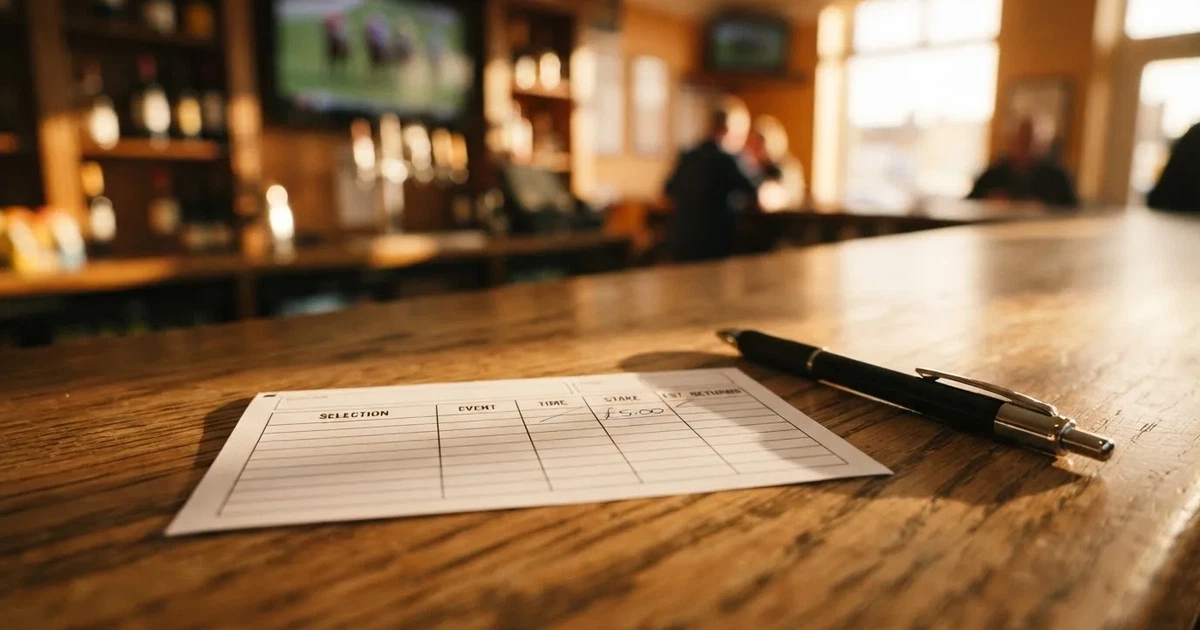
Snapshot below was taken 27 October 2026, with each licence verified against the Gambling Commission’s public register and each operator’s own published terms.
The Ten Best Odds Guaranteed Sites at a Glance
A shortlist is one thing. Knowing what each name on it is licensed to do, and what its own terms actually promise on the promotion, is the part that decides which one is worth opening an account with. The table below lays both side by side — the licence on the public register, and the words the brand itself uses about best odds guaranteed.

| Bookmaker | Gambling Commission licence | What the operator’s own terms state |
|---|---|---|
| Midnite | 101839 — Midnite Limited | Promotion terms are listed under each offer; BOG status not stated on the main page |
| Coral | 54743 — LC International Limited | BOG on UK and Irish horse racing when the price is taken on the day of the race |
| Sky Bet | 67370 — SBG Sports Limited | Pays at SP when bigger than the price taken; Rule 4 still applies unless the horse returns at a bigger SP; uplift capped at £50,000 per bet or per race |
| Smarkets | 39173 — Smarkets (Malta) Limited | Exchange model — customers back and lay against each other; no fixed-price BOG in the conventional bookmaker sense |
| Betfair | 39439 — PPB Counterparty Services Limited | Sportsbook applies its own BOG policy; the exchange runs back and lay |
| BetVictor | 39576 — BV Gaming Limited | BOG on UK and Irish horse racing, alongside enhanced live race streaming and BetFinder |
| Matchbook | 39504 — Triplebet Limited | Exchange with Bet Builder, multiples and in-play; no fixed-price BOG in the conventional bookmaker sense |
| Fitzdares | 400 — Fitzdares Limited | BOG availability is described across horse racing, football, tennis and antepost markets; check each race card |
| VBet | 44662 — SCGO Limited | BOG availability is set per event; check the racing card or the terms attached to the selection |
| BoyleSports | 39469 — Boylesports Enterprise | BOG availability is set per event; check the racing card or the terms attached to the selection |
LC International Limited, the licence holder behind Coral, also runs Ladbrokes under the same Gambling Commission account. PPB Counterparty Services Limited covers both Betfair and Paddy Power. Two named brands, one licence each. The table reflects that.
What Best Odds Guaranteed Actually Means
Best odds guaranteed (BOG) is not a market in itself. It is a settlement rule that bookmakers attach to fixed-odds horse racing bets. The mechanic sits on top of the starting price — the price the on-course fixed-odds market settles at when the race begins — and runs in three steps.

The fixed price and the starting price
When a horse racing market opens, usually the day before a meeting, a bookmaker quotes fixed prices on every runner. Those prices move as money comes in, as news breaks (a fancied horse is scratched from a gallop, the going changes) and as the on-course book shapes up. By the time the stalls open, an on-course market exists too. The starting price is calculated from that on-course market; for British horse races it is the median of sampled bookmakers’ prices — the shortest price in the longer-priced half, so at least half the sample offered that price or longer.
A punter who backed a horse at a fixed price of 4/1 the evening before the race, and the horse wins, is paid at 4/1. That is the basic settlement rule, and it is unchanged whether or not the horse’s starting price turned out to be 4/1, 5/1 or 9/2.
Where BOG changes the settlement
BOG kicks in when the starting price is bigger than the fixed price the punter took. A 4/1 fixed price and a 5/1 SP means the winning bet is paid at 5/1, not 4/1. The bookmaker absorbs the difference. The punter does not need to do anything extra: the bet settles at the bigger price automatically.
That is the headline. The conditions attached to it are what make the difference between a generous promotion and a narrow one. The rest of this page works through those conditions — which races qualify, when the price has to be taken, what happens with Rule 4, how the cap sits on the uplift, and how an exchange fits into a list that is mostly about fixed-odds bookmakers.
The Landscape: Who Offers BOG and How the Market Is Built
The ten brands in the shortlist fall into three groups by licence category, and the licence category tells you what shape of product the brand is licensed to run.
Fixed-odds bookmakers with a remote general betting standard licence
Midnite, Coral, Sky Bet, Betfair Sportsbook, BetVictor, Fitzdares, VBet and BoyleSports all hold a remote general betting standard (real events) licence. That is the category the Commission uses for fixed-odds betting on real sporting events, and it is the category under which best odds guaranteed is offered. Each of those brands publishes its own BOG terms, sometimes under a dedicated page, sometimes inside the betting rules attached to each race meeting.
Within that group, the terms vary. Coral’s published conditions apply BOG to UK and Irish racing when the bet is placed on the day of the race. Sky Bet pays at SP when bigger than the price taken, applies the Rule 4 deduction unless the horse returns at a bigger SP, and caps the BOG uplift at £50,000 per bet or per race. BetVictor applies BOG to UK and Irish racing and pairs it with enhanced live streaming and a BetFinder feature. The other brands in the group set the policy per event or per meeting; the racing card on the day carries the qualifying tick.
Betting exchanges with a remote betting intermediary licence
Smarkets, Matchbook and the exchange half of Betfair run under a remote betting intermediary licence. An exchange is a different product: customers back and lay against each other, the exchange takes a commission on net winnings, and there is no bookmaker-set fixed price to compare against a starting price. Best odds guaranteed, as a settlement rule on a bookmaker’s own fixed price, does not apply to an exchange in the conventional sense. The exchanges are in the table because searchers who type “best odds guaranteed” often land on them, and because Betfair runs both a sportsbook and an exchange under one parent — a sportsbook bet on Betfair is fixed-odds and BOG applies, an exchange bet is not.
Spread betting under FCA supervision
A spread bet on a horse race, where the stake is a fixed amount per point and losses can exceed it, is not a fixed-odds bet at all. It sits under Financial Conduct Authority regulation when it is a financial product, not the Gambling Commission. Spread betting losses can exceed the deposit; a punt on Spreadex’s sporting spread products carries that risk by design. It is mentioned here only because the search “best odds guaranteed” returns spread-betting brands alongside fixed-odds ones, and a reader weighing the two is weighing different products.
Legality and Regulation in Great Britain
The framework behind the shortlist is the Gambling Act 2005, the Gambling (Licensing and Advertising) Act 2014, the Commission’s Licence Conditions and Codes of Practice (LCCP), the Remote Technical Standards, and the marketing rules in the CAP and BCAP codes enforced by the ASA. A reader comparing ten bookmakers needs to know which body licensed each one and what the licence covers, because a brand’s product is shaped by which category of licence it holds.
Who licences the bookmakers
The Gambling Commission is a non-departmental public body sponsored by the Department for Culture, Media and Sport. Every brand in the table holds a Commission licence for remote betting in Great Britain; the licence number and the licence holder named on the public register are the columns that say so. There is no state monopoly on sports betting and no cap on the number of licences the Commission may issue, so a shortlist of ten names is a sample of the licensed market, not the whole of it. A brand described as the only licensed one is never that.
The Commission’s public register is searchable by business name, trading name, domain or account number, and is the whole test of who holds a licence. A reader who wants to verify any brand above can do so by typing the licence number into the register.
The point-of-consumption rule
Since the Gambling (Licensing and Advertising) Act 2014 an operator whose remote facilities are used in Great Britain needs a Commission licence wherever it is based. Sections 33 and 36 of the 2005 Act, as amended, set that rule. A Curaçao, Maltese or Gibraltar licence is not a substitute for serving British customers — it may sit alongside a Commission licence as the operator’s home authorisation, but it does not by itself permit remote betting into Great Britain. The licence number on the table is the British one.
Northern Ireland is outside the Gambling Act 2005 and runs its own older law. A “GB licence” or “GB-licensed” covers England, Scotland and Wales. The phrase does not cover Northern Ireland, and a brand licensed only by the Commission cannot lawfully take a bet from a customer in Belfast under the 2005 Act.
Categories of remote betting licence
The Commission’s five remote categories are general betting standard (real events), general betting standard (virtual events), general betting limited, pool betting and betting intermediary. The table’s brands hold general betting standard (real events), and three of them — Smarkets, Matchbook and Betfair — additionally hold a betting intermediary licence for the exchange side of their business. A general betting standard licence covers fixed-odds sports betting with no statutory cap on the markets a brand may offer; the markets themselves are set by the brand within the LCCP.
What may and may not be bet on
There is no statutory list of permitted bets or markets. The Commission does not name which sports a bookmaker may offer; a licence for general betting standard (real events) authorises betting on real sporting events, and the events themselves are not enumerated. In-play betting is offered by GB bookmakers under their own licence conditions and customer-protection duties; the law does not treat it as a separate category, and the controls are the operator’s. Esports are treated like any other event under a general betting standard licence. Virtual events are a separate licence category. Bets on politics, TV and novelty markets are offered by GB bookmakers; no statutory prohibition was found.
The same absence of a list applies the other way: nothing in the 2005 Act or the LCCP lists what is forbidden, beyond the credit-card ban, the GAMSTOP condition, the marketing rules and the customer-protection duties. Pool betting on horse and dog racing off-course is a separate licence.
What is checked before the first deposit
Identity verification has been a licence condition since 7 May 2019: name, address and date of birth are verified before a customer can deposit or gamble, including with a free bet or bonus. That condition removes anonymous play from a licensed site; a customer cannot place a bet, free or otherwise, until the check has cleared. A source-of-funds conversation at higher spend is normal under the money-laundering rules; it is the operator asking where the money comes from, not a credit check.
Bonuses and the 10x cap
Wagering requirements on bonuses are capped at 10x under rules in force since 19 January 2026. A £10 bonus with a 50x requirement would have needed £500 of qualifying bets; under the cap no more than £100 is required. The cap applies to bonuses with a wagering condition; whether it applies to free bets with no wagering condition, and any cap on the money value of a bonus, are not established. Mixed-product promotions — an offer that requires gambling on two or more product types such as betting, casino, bingo and lottery — are banned outright under the same rules. Best odds guaranteed is not a bonus; it is a settlement rule. The 10x cap does not change how BOG is settled, but it does shape the welcome offers the same bookmakers run alongside BOG.
Tax
The player pays no tax on betting winnings in Great Britain — that is general information, not tax advice, and a professional gambler should ask HMRC or an adviser. General Betting Duty is the operator’s tax on gross profits, currently 15%, and from 1 April 2027 a new remote betting rate of 25% applies within it, while remote bets on UK horse racing, self-service betting terminal bets, pool betting and in-person betting stay at 15%. Until that date the remote rate is 15%. Whether operators pass duty through into odds is not established; never write that the player is charged duty.
What an unlicensed site costs a reader
A brand without a Commission licence that takes bets from them has none of the protections above. No GAMSTOP coverage, no Commission complaints route, no approved dispute-resolution body, no British consumer redress if funds are withheld, not bound by the 10x bonus cap, not bound by the £150 vulnerability check, not bound by the credit-card ban. Section 33 of the 2005 Act makes providing gambling facilities in Great Britain without the licence the Act requires an offence, aimed at the operator — enforcement runs through cease-and-desist notices, search-engine referrals, work with registrars, hosts and payment providers, and the court-order DNS blocking powers the Commission has been given or is about to receive. The honest framing is licensed = checks, limits, GAMSTOP, bonus cap, plus verification before the first bet; unlicensed = none of those and possible loss of funds. Neither is “the safe choice” by default.
Responsible Gambling and Player Protection
The customer-protection framework on the licensed side is built around four pieces that interact: GAMSTOP, the vulnerability check, the deposit limit rules and the help services. A reader picking between bookmakers needs to know which piece bites when, because the differences between brands are smaller than the differences between the licensed market as a whole and an unlicensed one.
GAMSTOP
GAMSTOP is the national multi-operator online self-exclusion scheme and a mandatory licence condition for online operators since 31 March 2020. Every brand in the table is a GAMSTOP member. Exclusion periods are six months, one year, five years, or five years with auto-renewal, and after the minimum period the exclusion stays in place for a further seven years unless the customer asks GAMSTOP to remove it. GAMSTOP covers online sites and apps; betting shops use a separate service.
The £150 vulnerability check
A financial vulnerability check (LCCP condition 3.4.4, in force since 30 August 2024) applies to licensed remote betting when a customer’s deposits minus withdrawals exceed £150 in a rolling 30 days — that threshold has applied since 28 February 2025. The check is a public-record one (bankruptcy, county court judgments and similar), not an income check and not a credit reference check. It runs in the background until the threshold is crossed, then triggers a check that the customer does not see until it asks for confirmation. The wider financial risk assessments — the “affordability checks” of the press — are announced in a staged plan (Commission article of 7 July 2026), with no start date. Write “announced, staged, no start date”, never “in force”.
Deposit limits
Operators must offer a gross deposit limit on a fixed time frame under RTS 12. The first changes applied from 31 October 2025; a second phase was postponed to 30 September 2026. Whether that second phase is live is not established. There is no state-set deposit or loss ceiling for betting; limits are the customer’s choice. Best odds guaranteed does not change a customer’s deposit limit — a £10 winning bet paid at SP instead of fixed price still costs the customer £10 of stake.
Help services
GamCare runs the National Gambling Helpline. GambleAware funds treatment and education. NHS gambling clinics sit in several regions. Gamblers Anonymous runs peer support. A self-excluded customer who finds a way back to a betting site has the same choices; the framework around them is built to make the path back harder, not impossible.
Welcome Offers and How BOG Sits Beside Them
The welcome offers on the licensed brands are separate from BOG, and the rules around them are different. The promotion rules in force since 19 January 2026 cap wagering requirements at 10x and ban mixed-product promotions; BOG is not a wagering promotion, so the cap does not apply to it. The way the welcome offer and BOG interact at one bookmaker, however, is worth a closer look.
Coral
Coral’s sports welcome offer is “Get £40 in Free Bets when you bet £20” — a deposit and sports bet of £20 or more at minimum odds of 2.0 (1/1), with £40 in free bets issued within 7 days and expiring 7 days after issue, for new GB customers who opt in. Coral applies BOG to UK and Irish racing when the bet is placed on the day of the race. A new customer who places the qualifying £20 on a horse at a fixed price and the horse wins at a bigger SP is paid at SP, regardless of whether the £20 was the qualifying bet or the free-bet stake that followed.
Sky Bet
Sky Bet’s welcome offer for new customers is £30 in free bets, credited as three £10 free bet tokens after a deposit of at least £5 and a first single or each-way bet of at least 5p at odds of 1/1 or greater. BOG runs alongside: when the fixed price taken is smaller than the SP, Sky Bet pays at the SP, and the cap on the BOG uplift is £50,000 per bet or per race. Rule 4 deductions are waived if the horse returns at a higher starting price, settling the bet at SP.
Midnite
Midnite’s sports welcome offer for new customers is a £5 or more pre-match bet at odds of EVS (2.0) or greater within 14 days of sign-up, for £25 in free bets and 50 free spins, valid for 7 days. BOG status is not stated on the main page; the promotion terms are listed under each offer. The customer checks the racing card for the BOG tick on the day.
Smarkets
Smarkets is an exchange, and new customers have been offered 0% commission for 60 days with a minimum first deposit of £10, against a standard 2% commission on eligible exchange bets. There is no BOG on an exchange; the price is the price, and the punter can lay the same horse at the same price to lock in the position.
BoyleSports
BoyleSports runs an Acca Insurance promotion alongside its racing offers: opt-in, minimum stake of £5, minimum odds of 1/2, and the promotion pays a maximum refund of £20 as a free bet that expires in 7 days when one leg of an accumulator lets the customer down. Bets must be placed and settled on the same day. The acca insurance is a separate promotion from BOG; the BOG tick on the racing card decides whether the horse-racing bet is paid at SP.
The pattern across the ten
Every welcome offer above is a free-bet bundle — the stake is usually not paid back with a win, the offer expires within 7 to 14 days, and the minimum qualifying odds sit between 1/1 and 2.0. The arithmetic behind a free bet is straightforward and worth one section’s worth of attention, because the headline number is rarely the number the customer keeps.
How a Free Bet, a Combination Bet and a Best-Priced Bet Pay Out
The maths on the betting slip is small, but it is also where a £40 headline offer becomes a £25 bookmaker or a £35 bookmaker once the maths is done. Two pieces of arithmetic sit behind every figure in the welcome offers above: the payout of a winning bet, and the value of a free bet whose stake is not returned.
A winning single bet
For a single bet, the return is stake multiplied by the odds. The net profit is stake multiplied by odds minus one. Decimal odds are the easiest place to read this off: a £10 bet at decimal odds of 4.50 returns £45, for a net profit of £35. Fractional odds convert to decimal by dividing the numerator by the denominator and adding one — 4/1 becomes 5.00, 11/4 becomes 3.75, evens becomes 2.00. The bookmaker’s payout share is the share of every pound bet that returns to customers in the long run; the margin is the share that stays with the bookmaker. A payout share of 95% sits beside a margin of 5%. They are the same market seen from two sides.
A combination bet
For a combination bet the odds of the legs multiply into one price. Three legs at 2.00, 3.00 and 4.00 give a combined price of 24.00; a £10 combination bet returns £240 if all three win. The multiplication is the same in fractional and decimal. The catch is that the probability of all three winning is the product of the individual probabilities, and the book’s combined price usually carries a higher margin than a single — each leg adds a slice of margin on top of the leg below. A “Super Yankee” or “Canadian” is 26 bets on five selections; a “Lucky 15” is 15; a “Heinz” is 57; a “Goliath” is 247. The total stake on a Lucky 15 at £1 a bet is £15, not £1, and a customer who calls a Lucky 15 a “£1 bet” has spent £15.
A free bet whose stake is not returned
For a free bet whose stake is not paid back with a win, the value of the offer is the free-bet amount multiplied by the odds minus one, divided by the odds, multiplied by the payout share of the market the free bet is placed on. A £30 free bet placed at decimal odds of 3.00 on a market with a 95% payout share is worth roughly £30 × (3.00 − 1) ÷ 3.00 × 0.95 = £19.00 on average. The £30 headline is not the £30 the customer keeps; the maths says £19 of it. The rest is the bookmaker’s edge on the market the free bet is spent on.
Best odds guaranteed in the arithmetic
BOG does not need its own calculation. It is a settlement rule: a winning bet is paid at the bigger of the price taken and the SP. The arithmetic above still applies, with the SP replacing the fixed price. A £10 bet at a fixed price of 4/1 (decimal 5.00) that returns at an SP of 5/1 (decimal 6.00) is paid at 6.00 — return £60, profit £50. The same bet paid at the fixed price would have returned £50 and a profit of £40. The £10 difference is the value of BOG on that single bet; it is the same arithmetic as any other bet, with a bigger number in the odds.
The Bookmaker’s Margin and What It Looks Like in the Odds
Every price a bookmaker quotes carries the bookmaker’s margin — the share of every pound bet that the bookmaker keeps across all outcomes of the market in the long run. The arithmetic is the payout share summed across the outcomes, with the margin as one minus the payout share. An illustrative two-way market at decimal odds of 1.90 and 1.90 gives a payout share of 1 ÷ (1/1.90 + 1/1.90) = 0.95, or 95%, and a margin of 5%. A market at 1.90 and 2.00 gives a payout share of around 94.7% and a margin of around 5.3%. The same calculation generalises to three-way markets (1X2 football) and to markets with more outcomes.
Two practical points follow. The first is that the margin is the bookmaker’s edge on the market; the lower the margin, the better the long-run value for the punter, all else equal. A bookmaker running 1X2 football at a 4% margin is keeping four pence in the pound; a competitor at 6% is keeping six. The second is that the margin on one market is not the margin on another — a totals market, a handicap market, a combination bet and a same-game multi each carry their own margin, and a brand with a thin margin on the 1X2 football can run a fat margin on a niche prop market without contradicting itself.
This page does not quote margins per bookmaker, because each book’s margin varies by event, market and time of day, and a single number is a snapshot rather than a comparison. The reader who knows the formula can read any two prices and see what the bookmaker is keeping. Two 1.90 quotes across a two-way market mean a 5% margin. Two 1.80 quotes mean a roughly 11.1% margin. The bigger the price gap, the smaller the margin, because a symmetric bookmaker price evens the outcomes and tightens the overround.
How the Ten Sites Compare on BOG Terms
The table above is the headline view. The section below is the closer read: what each brand’s own terms actually say, and where each one is silent.
Midnite: Where the BOG Terms Sit
Midnite’s site cites Gambling Commission licence 101839 and shows in-play events, an acca builder, popular accas and price boosts with maximum-stake limits. BOG status is not stated on the main page; the racing card and the promotion terms attached to each meeting carry the qualifying tick. A reader comparing Midnite against the others checks the card on the day.
Coral: The Day-of-Race Terms
Coral runs BOG on UK and Irish horse racing when the bet is placed on the day of the race. The licence (54743) sits with LC International Limited, which also runs Ladbrokes under the same account — two brands, one licence. Coral’s welcome offer sits separately; BOG is settlement, the welcome offer is promotion.
Sky Bet: The £50,000 Uplift Cap
Sky Bet pays at SP when SP is bigger than the price taken. Rule 4 deductions are waived for higher starting prices, and the BOG uplift is capped at £50,000 per bet or per race. The licence (67370) sits with SBG Sports Limited.
Smarkets: The Exchange Model
Smarkets is a betting exchange with a standard 2% commission on eligible exchange bets. New customers have been offered 0% commission for 60 days with a minimum first deposit of £10. There is no fixed-price BOG because there is no fixed price set by a bookmaker; the customer sets the price on the exchange and another customer can match it.
Betfair
Betfair’s sportsbook (under the Commission’s remote general betting standard licence held by PPB Counterparty Services Limited, account 39439) runs its own terms on BOG. The exchange under the same parent runs back and lay. A bet on the sportsbook is a fixed-odds bet with BOG; a bet on the exchange is not. The licence also covers Paddy Power.
BetVictor
BetVictor offers BOG on UK and Irish horse racing, alongside enhanced live race streaming and a BetFinder feature for finding racing bets, and Smart Stats. The licence (39576) sits with BV Gaming Limited.
Matchbook
Matchbook is a betting exchange where customers bet against other users, with Bet Builder, multiples, in-play betting and live streaming of horse racing and greyhounds. There is no fixed-price BOG in the conventional bookmaker sense; the price is whatever the back-and-lay market settles at.
Fitzdares
The Fitzdares app offers cash out, accumulators, Lucky 15s, specials and antepost markets on horse racing, football, tennis, rugby, cricket, golf and American football, with in-play live odds. BOG availability is described across those markets; the customer checks the racing card for the tick. The licence (400) sits with Fitzdares Limited.
VBet
The Vbet app is published by SCGO Limited and offers Bet Builder, pre-match and in-play betting, live streaming and a live calendar with results and stats. BOG availability is set per event; the customer checks the racing card or the terms attached to the selection. The licence (44662) sits with SCGO Limited.
BoyleSports: The Event-Specific Policy
BoyleSports’ licence (39469) sits with Boylesports Enterprise. The acca insurance promotion is a separate product from BOG; BOG availability is set per event and the racing card carries the qualifying tick.
Choosing Between the Ten
The choice is not which brand is best at BOG, because the promotion is settled the same way across the fixed-odds bookmakers — fixed price versus SP, the bigger one wins. The choice is which brand’s broader package fits the way the reader bets.
What to weigh
The fixed-odds bookmakers with a published BOG commitment on UK and Irish racing — Sky Bet, Coral, BetVictor — are the cleanest fit for a reader whose primary interest is horse racing. Sky Bet’s £50,000 cap on the BOG uplift is generous; Coral’s day-of-race qualifier is the standard shape; BetVictor’s pair of BOG with BetFinder and live streaming is the racing-focused stack.
The exchanges — Smarkets, Matchbook and the exchange half of Betfair — fit a reader who wants to back and lay. BOG does not apply, and that is not a disadvantage: an exchange customer lays the selection to lock it in, and the SP is just another price on the platform.
Midnite, Fitzdares, VBet and BoyleSports are the brands where BOG is set per event. The customer checks the racing card. For a reader who bets across more than one sport and treats horse racing as one of several, those brands often carry the wider sportsbook.
Where the package matters
BOG is settlement; the welcome offer, the market depth, the in-play product, the live streaming, the cash-out availability and the deposit-and-withdrawal experience sit around it. A customer who picks a bookmaker for BOG and finds the in-play product thin has not picked the right bookmaker. A customer who picks a bookmaker for the in-play product and finds the racing card without a BOG tick has not picked the right bookmaker either. The match is between the package and the way the reader bets.
The Five Things a Reader Should Check Before Claiming
Best odds guaranteed is a settled promise. The conditions around it decide whether the promise is delivered.
- Which races qualify. Most brands apply BOG to UK and Irish racing; some extend it further. The racing card on the day carries the tick.
- When the price has to be taken. Coral applies BOG to bets placed on the day of the race. Other brands apply it to bets placed from a particular time the day before. Antepost bets placed days ahead are usually outside BOG.
- The Rule 4 interaction. Rule 4 deductions apply to the fixed price unless the horse returns at a larger SP, settling the bet at the higher SP. This mechanic is common across the fixed-odds bookmakers.
- The cap on the uplift. Sky Bet caps BOG at £50,000 per bet or per race. Other brands set their own cap; the term sits inside the BOG page or the betting rules.
- The stake rule on free bets. BOG applies to the free bet in the same way as a cash bet, but the free-bet stake is not returned with a win. The arithmetic is the free-bet formula in the section above; the £30 headline is rarely the £30 the customer keeps.
The Edge the Promotion Earns and the One It Does Not
Best odds guaranteed does not remove the bookmaker’s margin. It pays at the SP when the SP is bigger than the price taken, and the SP itself is the median of sampled bookmakers’ prices — so the SP carries its own margin, just one calculated across the on-course market rather than across the brand’s own book. The customer who takes a fixed price of 4/1 on the evening before a race and the SP returns at 5/1 has done well — the £10 bet pays £60 instead of £50 — but the SP was still a price set by a market with a margin built in. The promotion is a settlement upgrade, not a margin elimination.
The promotion does protect the customer against the drift between the fixed price and the SP. A horse backed at 4/1 on the evening before, whose SP is 5/1, was always a 4/1 selection the punter liked at 4/1. The BOG rule pays the customer at the higher of the two prices. The punter who would have backed the horse at 5/1 on the day has been given the chance to lock in 4/1 the night before and still collect at 5/1 — a five-point price upgrade on a winning bet. That is the genuine value of BOG. It is not a margin removal; it is a one-bet settlement upgrade on winning bets at the upper end of the price move.
The bookmaker earns the promotion back across the rest of the book. A brand running BOG on UK and Irish racing carries the cost on every winning bet whose SP exceeds the fixed price — and that is a small fraction of the racing book. The promotion is a marketing line that costs the bookmaker less than the headline suggests, because most winning bets have an SP that does not exceed the fixed price taken. The reader who reads BOG as a margin removal has read the marketing rather than the settlement rule.
The Reading Order for a First-Time Customer
A reader who has never opened an account with a licensed bookmaker in Great Britain walks through the same steps regardless of the brand they pick. The order matters because some steps unlock others.
Verify the licence
The Commission’s public register is searchable by business name, trading name, domain or account number. The licence numbers in the table above are the first check. A brand whose licence number does not appear on the register is not licensed; the rest of the comparison is moot.
Verify the identity before the first deposit
Identity verification is a licence condition since 7 May 2019. Name, address and date of birth are checked before a customer can deposit or gamble, including with a free bet or bonus. The customer cannot skip this step.
Set a deposit limit
Operators offer a gross deposit limit on a fixed time frame under RTS 12. The customer sets one. The limit is the customer’s choice, not the operator’s; the operator must offer the choice.
Opt in to the welcome offer if wanted
The 10x cap on wagering requirements applies to bonuses with a wagering condition; the free-bet bundles above sit inside that cap. Opt-in is required, the qualifying bet is small (£5 to £20), the minimum odds are 1/1 to 2.0, and the free bets expire within 7 to 14 days. The customer reads the terms; the offer is not a margin removal.
Check the BOG tick on the racing card
BOG is settlement, not a toggle. The racing card on the day carries the qualifying tick per race. A bet placed on a non-qualifying race is paid at the fixed price taken; a bet placed on a qualifying race is paid at the bigger of the fixed price and the SP.
Place the bet and check the settlement
A winning bet settles automatically at the bigger of the fixed price and the SP. Rule 4 deductions apply on the fixed price unless the horse returns at a larger SP. The cap on the BOG uplift — £50,000 per bet or per race at Sky Bet, with other brands setting their own — applies before settlement.
Withdraw or carry on
Withdrawals run through the operator’s own terms and the payment method chosen. The credit-card ban does not cover debit cards or bank-based payments. Identity verification is already complete, so withdrawals clear without a separate check at the licensed operators.
Frequently Asked Questions
Which bookmakers do best odds guaranteed?
Sky Bet, Coral and BetVictor state BOG on UK and Irish horse racing in their published terms; the racing card on the day carries the qualifying tick at Midnite, Fitzdares, VBet and BoyleSports. Smarkets, Matchbook and the exchange half of Betfair are betting exchanges where customers back and lay against each other rather than take a fixed price from a bookmaker, so the conventional BOG settlement rule does not apply.
Which bookmakers offer best odds guaranteed?
Every fixed-odds bookmaker on the licensed side can offer BOG; not every one publishes the commitment in the same place. The brands whose own terms explicitly promise BOG on UK and Irish racing are Sky Bet, Coral and BetVictor. The brands that set BOG per event — Midnite, Fitzdares, VBet, BoyleSports — are also licensed to do so and apply it where the racing card carries the tick. The Commission’s public register confirms the licence; the racing card on the day confirms the BOG.
What bookmakers offer best odds guaranteed?
The answer is the same set: Sky Bet, Coral and BetVictor publish BOG commitments on UK and Irish racing; Midnite, Fitzdares, VBet and BoyleSports set BOG per event. The exchange brands — Smarkets, Matchbook and the exchange half of Betfair — run a different product. Spread betting on Spreadex is a financial product under FCA supervision and does not carry BOG in the fixed-odds sense.
How can it be checked that a bookmaker holds a Gambling Commission licence?
The Commission’s public register is searchable by business name, trading name, domain or account number. Each licence entry names the licence holder and the categories on the register — remote general betting standard (real events), remote betting intermediary, and so on. A brand whose licence number does not appear on the register is not licensed to take remote bets in Great Britain; the rest of the comparison is moot.
How is the return on a bet worked out from the stake and the odds?
For a single bet, the return is stake multiplied by the odds; the net profit is stake multiplied by odds minus one. Decimal odds read directly; fractional odds convert to decimal by dividing the numerator by the denominator and adding one. A £10 bet at decimal odds of 4.50 returns £45 and a net profit of £35. For a combination bet the odds of the legs multiply into one price — three legs at 2.00, 3.00 and 4.00 give a combined price of 24.00 and a £10 combination bet returns £240 if all three win.
Free bets & offers – Best betting
Content created by the «Best betting» team
