
Best Bitcoin Betting Sites in Great Britain
 Available in US
Data current as of 27 October 2026 and cross-checked against the Gambling Commission’s public register.
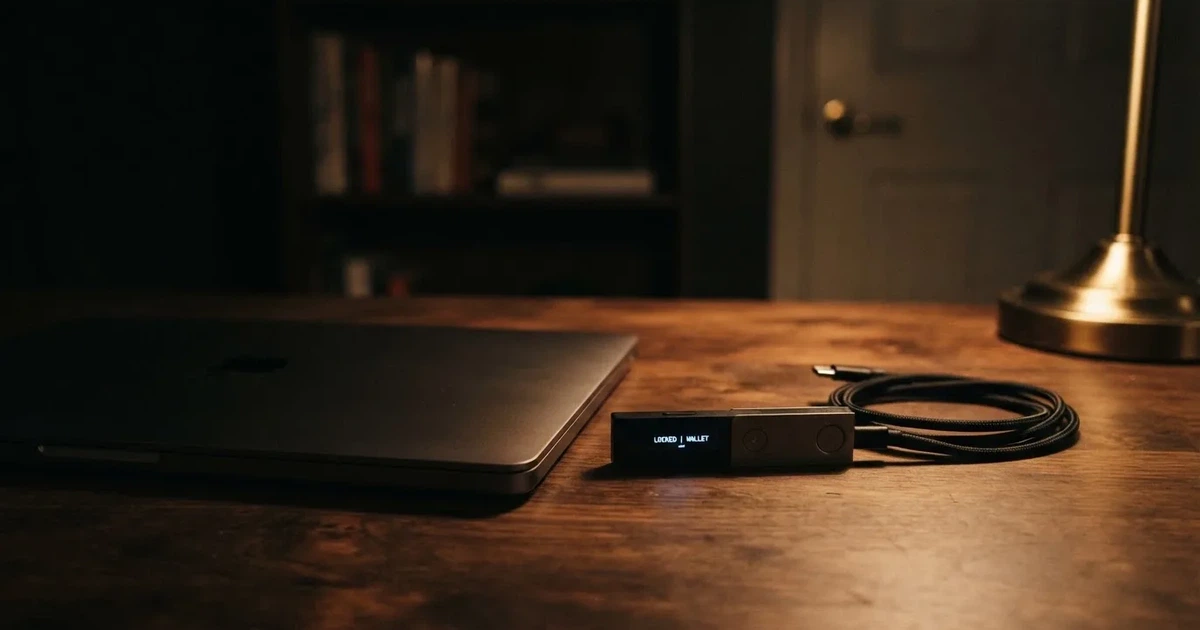
Bitcoin is not a corner of the British betting market that operates outside UK rules — it is the same market, with the same licensing test, the same identity checks at the first deposit and the same responsible-gambling machinery, plus the extra layer that HM Revenue & Customs and the Financial Conduct Authority put on the asset itself. A bettor who treats “crypto” as a synonym for “no questions asked” is treating a payment method as though it were a regulator, and the page that follows is written to set that picture straight. Every brand listed further down holds a remote operating licence from the Gambling Commission for Great Britain, which is what makes them eligible to take a pound, a euro or a satoshi from a customer in this country. Offshore sportsbooks that take Bitcoin but no UK licence are not listed, for the reason spelled out in the offshore section: outside the British regime a customer gives up GAMSTOP, the Commission’s complaints route, the £150 vulnerability check and the 10x cap on bonus wagering, and the operator gives up its route into the British courts when something goes wrong.
The first thing to settle is what the page is not. It is not a buy recommendation for Bitcoin, and it is not a forecast of any sporting event. The calculation the spec hands this page is none, which is a deliberate choice — the value of a price boost or a free bet to a Bitcoin bettor is set by the same arithmetic as for a pound bettor, and the page leans on the Commission’s own wording rather than on a worked example. The page is a guide to which UK-licensed operators accept what crypto terms of their own, what the Gambling Commission and HMRC each require of the asset, and what a punter forfeits by going off-licence. Seven bookmakers sit at the heart of the comparison, and a final FAQ covers the questions readers most often arrive with.
What British law actually says about betting with Bitcoin
The single legal test of whether a sportsbook may take bets from a customer in Great Britain is the Gambling Commission’s public register. Since the Gambling (Licensing and Advertising) Act 2014 amended sections 33 and 36 of the Gambling Act 2005, an operator whose remote facilities are used in Great Britain needs a Commission licence wherever it is incorporated — a Curaçao, Malta or Gibraltar registration alone does not qualify a brand for the British market, no matter how the home jurisdiction’s regulator is rated elsewhere. The register can be searched by business name, trading name, domain or account number, and is the only proof that carries weight. A bookmaker running on a .com rather than a .co.uk is no signal either way; licensed brands use both.

No statutory rule was found that either permits or prohibits Bitcoin deposits at a licensed operator. The Commission’s own published position, captured in its digital technologies and anti-money-laundering guidance, is that cryptoassets including Bitcoin are a high-risk payment method, and licensed operators are expected to treat crypto-funded play as a high-risk indicator that triggers enhanced customer due diligence. That wording sits inside the Commission’s risk-based approach, not inside a flat ban, and a bookmaker that accepts Bitcoin at all does so on its own published terms, after the usual name, address and date-of-birth verification that has applied to every licensed site since 7 May 2019 — including for a free bet or bonus, and including before the first deposit. A reader looking for “anonymous Bitcoin betting” inside Great Britain is looking for something the British regime does not offer at the licensed end of the market, and the offshore section below spells out what that choice costs.
Two tax points belong on the same page because they belong to the same bettor. Gambling winnings in Great Britain are not taxed in the player’s hands — General Betting Duty is the operator’s levy on gross profits, currently 15%, with a higher 25% remote rate applying from 1 April 2027 for remote bets other than on UK horse racing, pool betting and in-person bets — and the Commission’s own statutory charge sits alongside it. None of that touches the Bitcoin leg of a bet. What touches it is HMRC’s treatment of the asset itself: cryptoassets held by individuals are subject to Capital Gains Tax on disposal (selling, swapping, spending or gifting), and Income Tax and National Insurance apply to cryptoassets received as non-cash employment income or as mining and staking rewards. A winning Bitcoin bet that is then moved into pounds, or used to buy anything, is a disposal; a losing one is not. The bookmaker’s liability and the bettor’s are tracked in separate ledgers and it is the bettor who keeps both.
The Financial Conduct Authority’s role on the asset side is from 10 January 2020, when it became the anti-money-laundering supervisor of UK cryptoasset businesses under Regulations 8L and 9 of the Money Laundering Regulations. Cryptoasset exchange providers and custodian wallet providers operating in the UK must register with the FCA before starting business. The Commission’s own register, taken from its public guidance, records 417 cryptoasset registration applications received since that date, of which 68 (17% of determined applications) have been registered and 263 (67%) withdrawn. The message is plain: registration is a real filter and the population that has cleared it is small. A bettor who buys Bitcoin from an unregistered exchange has bought it from an entity the regulator has not approved, and the burden sits with the bettor to satisfy themselves on that point.
Responsible gambling at a licensed bookmaker
The framework a GB-licensed bookmaker operates inside is not a marketing claim and runs whether the customer is paying in pounds or in satoshis. GAMSTOP is the national multi-operator online self-exclusion scheme and has been a mandatory licence condition for online operators since 31 March 2020. Self-exclusion can run for six months, one year, five years, or five years with auto-renewal; after the minimum period the exclusion stays in place for a further seven years unless the customer asks GAMSTOP to remove it. GAMSTOP covers online sites and apps; betting shops run their own self-exclusion service and sit outside it. A Bitcoin bettor who has self-excluded cannot route a deposit past GAMSTOP through a different payment method either — the exclusion binds to the person, not to the wallet.

Two newer controls sit alongside it. A financial vulnerability check under LCCP condition 3.4.4 has applied to licensed remote betting since 30 August 2024 and is triggered when a customer’s deposits minus withdrawals exceed £150 in a rolling 30 days (the threshold has applied since 28 February 2025). The check is a public-record check (bankruptcy or county court judgments, for instance), not an income check and not a credit-reference check, and the point is to flag a marker that is already in the public domain rather than to interrogate the bettor’s payslip. Alongside this, financial risk assessments — the “affordability checks” of the press — were announced by the Commission in a staged plan published on 7 July 2026, with no start date, and the honest thing to write is “announced, staged, no start date”. A reader who has seen the term used as if it were already live has been reading a forecast of a policy, not the policy itself.
Deposit limits are the customer’s lever rather than the state’s: there is no statutory deposit or loss ceiling for betting in Great Britain, and the limit a customer sets is the limit that counts. Under RTS 12, operators must offer a gross deposit limit on a fixed time frame; the first changes have applied since 31 October 2025, a second phase was postponed to 30 September 2026, and whether it is live is not established from the inputs. Help lines are the same whichever currency the customer bets in: GamCare and its National Gambling Helpline, GambleAware, the NHS gambling clinics network, and Gamblers Anonymous. A licensed bookmaker is required to surface these to a customer in friction; an unlicensed one is not, and surfacing them is not the same thing as paying for them.
The bonus side has its own ceiling. Since 19 January 2026, wagering requirements on bonuses have been capped at 10x — a £10 bonus at 50x, the kind of multiplier that used to be standard, would need £500 of bets and now no more than £100 — and mixed-product promotions have been banned. The cap concerns “wagering requirements”, which is the figure that matters for a deposit-match or a free-bet-with-rollover offer, and the inputs do not establish whether it bites on a free bet with no wagering condition, nor what cap applies to the money value of a bonus. What is plain is that the cap is one of the controls a GB-licensed bookmaker cannot lawfully exceed, and one of the controls an offshore bookmaker is not bound by at all. A reader who treats a 50x bonus on a crypto deposit as a comparable offer to a 10x bonus on a pound deposit at a UK brand is comparing a regulated product with an unregulated one.
What Bitcoin changes about that is less than the marketing suggests
The shortest honest framing is that Bitcoin changes the payment leg and almost nothing else. A licensed bookmaker that accepts it still verifies the customer before the first deposit, still runs GAMSTOP, still owes the customer the £150 vulnerability check and the safer-gambling controls, and still applies the 10x bonus cap. The Commission’s own guidance treats crypto-funded play as a high-risk indicator that triggers enhanced customer due diligence, which means the customer’s first deposit with Bitcoin is likely to face the same identity proof a pound deposit faces, plus extra questions about source of funds at higher spend. The asset itself runs on a proof-of-work consensus mechanism based on SHA-256 hashing, with a new block created roughly every ten minutes on average and a total supply capped at 21 million coins, full issuance expected around the year 2140 and the mining reward halving every 210,000 blocks. None of those facts changes a bet, but the half-life of the supply curve is one reason a Bitcoin balance sits on a betting account differently from a pound balance — it is volatile in its own right, on top of being at risk on the bet.
The two features a bettor most often associates with crypto — pseudonymity and cross-border reach — both run into limits at the British end. The blockchain is pseudonymous, not anonymous: every transaction is recorded on a public ledger, and once a wallet is tied to a name through a regulated exchange the on-chain history is visible to anyone with the address. The asset is “anonymous” only in the weak sense that a fresh address does not come pre-labelled with a customer number, and a licensed bookmaker binds the deposit to a verified identity at the moment it arrives. Cross-border reach is real on the network layer and constrained at the regulatory layer: a bookmaker serving customers in Great Britain needs the British licence whether the payment lands in pounds or in Bitcoin, and a brand that promotes itself as offshore has not solved that test, it has declined to take it.
The asset’s history is short by the standards of the industry it now sits inside. The Bitcoin white paper was published on 31 October 2008 by the pseudonymous Satoshi Nakamoto, whose real-world identity has never been verified, and the genesis block was mined on 3 January 2009. The first decade of online betting pre-dates the network entirely, and the second decade is where the meeting point has been built — by the Commission’s anti-money-laundering framework from January 2020, by HMRC’s tax treatment, and by the licensed operators who chose to add the asset to their cashier rather than to ignore it. A punter who came of age betting on pound debit cards is now betting, at some brands, against the same wagering requirements and the same safer-gambling machinery, with the only difference being the rail the money arrives on.
What an unlicensed Bitcoin sportsbook offers is, in marketing terms, the same product with the same rails and none of the British controls. In practice that means no GAMSTOP coverage, no Commission complaints route, no approved dispute-resolution body, no British consumer redress if funds are withheld, no 10x bonus cap, and no £150 vulnerability check. The operator running the site is not regulated by the Commission and is not bound by the LCCP; the customer is exposed to the operator’s own house rules and to whatever the operator’s home regulator does. A punter who weighs that against the loss of British identity verification — the thing “anonymous Bitcoin betting” most often really means in the marketing — is weighing one verification against every protection the British regime adds on top, and the choice is theirs to make.
The seven UK-licensed bookmakers, side by side
The seven operators below hold a Gambling Commission remote licence for Great Britain and each runs its own crypto policy under the same framework. The table that follows is the spec’s landsca table, with four columns: the brand, the Commission’s remote licence number and the named licence holder, and what the operator’s own published terms state on the key’s subject. The brand column is the only field every row can carry a value in; the other three reflect what the operator publishes and what the Commission’s register records, and where the inputs do not pin a value for a row the cell carries the British no-data marker rather than a guess. The reader who wants to check any licence number below against the Commission’s public register can do so by name, account number or domain, and that check is the test of everything that follows.
| Brand | Gambling Commission remote licence number and licence holder | What the operator’s own terms state on the key’s subject |
|---|---|---|
| QuinnBet | 061011-R-335683-004, QuinnBet (Gibraltar) Limited | Free bets valid for 7 days from credit, usable on any market at odds of 1/2 (1.50) or greater, with maximum odds of 50/1; straight accumulators allowed, Trixies, Patents and Yankees excluded |
| Spreadex | 008835-R-104580-022, Spreadex Limited | Spread betting losses can exceed the deposit; financial spread bets are FCA-regulated, fixed-odds bets are Commission-regulated |
| Geoff Banks | 054095-R-330366-010, GB Sports Advisors Limited | App offers live in-play and ante-post prices on future events |
| DAZN Bet | 048756-R-327274-019, DZBT Limited | Debit card, Apple Pay, Paysafecard, Trustly and Skrill deposits from £5; PayPal deposits from £20; no processing fees; no cryptocurrency terms found |
| Fitzdares | 000400-R-103839-030, Fitzdares Limited | Apple Pay, Mastercard and Visa accepted; Visa withdrawals usually same-day, Mastercard up to 48 hours |
| LiveScore Bet | 056859-R-332720-005, LiveScore Betting and Gaming (Gibraltar) Limited | Debit cards (Visa and Mastercard), Apple Pay, PayPal, Pay by Bank (Open Banking) and Revolut Pay accepted |
| Kwiff | 044448-R-323408-017, Eaton Gate Gaming Limited | Licensed by the UK Gambling Commission; app rated 17+ on the App Store; no cryptocurrency terms found |
Three things stand out from the table and they are worth saying in prose, not in footnotes. First, the seven brands split cleanly on what their published terms say about crypto: none of the seven names Bitcoin as an accepted payment method, and the cells for DAZN Bet, Fitzdares, LiveScore Bet and Kwiff record the payment methods each brand does publish, rather than a crypto claim about a method none of them publishes. The honest reading of that gap is that a reader who arrived looking for a Bitcoin cashier at a British bookmaker is, on the evidence here, looking at a small set, and that the right next step is to check the operator’s own banking page at the moment of deposit. Second, the licence holders are not interchangeable: a Gibraltar-incorporated licensee (QuinnBet, LiveScore Bet) sits alongside UK-incorporated ones (Spreadex, GB Sports Advisors, DZBT, Fitzdares, Eaton Gate Gaming), and the licence that matters at the point of consumption is the Commission’s, not the home jurisdiction’s. Third, Spreadex alone sits across two regulators — the Financial Conduct Authority for spread betting and the Gambling Commission for fixed-odds betting — and the cell records both, because the FCA line is the one the Commission’s register does not show.
The brand-by-brand reviews below are written from what each operator’s own published terms and licence record carry, and each closes on a verdict that reflects the spread of what the inputs actually say about that brand rather than a generic suitability line. None of the seven takes a position on Bitcoin that the inputs record, and the reviews say so where it matters, because a Bitcoin bettor who lands on a brand page and finds no crypto on the cashier needs to know that before the deposit, not after.
QuinnBet
QuinnBet (Gibraltar) Limited, the licence holder for account 61011 (licence 061011-R-335683-004), operates this site under its permit for remote general betting standard (real events). Free-bet terms are precise: free bets are valid for seven days from the moment they are credited to the account, can be used on any market at odds of 1/2 (1.50) or greater, and are capped at a maximum odds of 50/1. Straight accumulators are permitted; the multi-leg combinations Trixie, Patent and Yankee are not. The seven-day window is the kind of deadline that decides whether a free bet is collected or expires, and the maximum-odds ceiling is the kind that turns a price-shopping punt away from a long-odds selection toward something the brand is willing to bank. No cryptocurrency terms were found in the inputs the spec hands the page, and the cashier’s accepted methods are the question a reader verifies on the brand’s own deposit page before funding.
The verdict: QuinnBet suits a punter who wants a straightforward free-bet mechanic with a clear expiry and a transparent minimum and maximum odds window, and who checks the cashier directly for crypto support because the brand’s own published terms do not name one.
Spreadex
Spreadex is a two-regulator brand. The Financial Conduct Authority regulates its financial spread betting and the Gambling Commission regulates its fixed-odds betting under account 8835, licence 008835-R-104580-022, with Spreadex Limited as the named licence holder. The split matters because the two products sit on different rails: a financial spread bet is on a contract whose price is set by the book, with losses that can exceed the original deposit, and a fixed-odds bet is the sportsbook product punters know from any other British brand. The Spreadex homepage’s own statement that spread betting losses can exceed the deposit is the customer-facing version of the same risk the FCA regulates: a punter on the financial side is not capped at their deposit, the way they are on fixed odds, and the difference is fundamental rather than cosmetic.
The verdict: Spreadex suits a punter who specifically wants financial spread betting under FCA supervision alongside a Commission-regulated fixed-odds book, and who treats the deposit-side risk on spread bets as the structural feature it is rather than as a footnote. For a Bitcoin-specific reader, Spreadex is a brand to test the cashier on directly; the inputs do not record a crypto position either way.
Geoff Banks
GB Sports Advisors Limited, the licence holder for account 54095 (licence 054095-R-330366-010), provides this sportsbook under its permit for remote general betting standard (real events). The app offers live in-play and ante-post prices on future events, which is the sportsbook combination a punter who wants both timing windows — bet through the event or commit early — is looking for. The brand is one of the smaller Commission-licensed books by customer base, and the inputs do not record a payment-method list or a free-bet mechanic. The honest reading is that Geoff Banks is a brand a punter researches directly before funding: the licence is on the register, the in-play and ante-post coverage is published, and the cashier is the next page to read.
The verdict: Geoff Banks suits a punter who wants a Commission-licensed book with both live in-play and ante-post pricing on the same app, and who is content to verify the cashier’s accepted methods at the moment of deposit because the inputs the page leans on do not record them.
DAZN Bet
DZBT Limited, which holds Gambling Commission account 48756 (licence 048756-R-327274-019), operates this brand under its remote general betting standard (real events) permit. Published deposit terms are detailed: debit card, Apple Pay, Paysafecard, Trustly and Skrill deposits start at £5, PayPal deposits start at £20, and no processing fees are charged on the brand’s side. The deposit-floor ladder (£5 on five methods, £20 on PayPal) is the kind of detail that matters to a punter funding small stakes regularly, because the choice of method is a different cost each time. The inputs do not record a cryptocurrency position, and the cashier the brand publishes is the test.
The verdict: DAZN Bet suits a punter who values a low deposit floor across multiple mainstream rails and no processing fees on the brand’s side, and who checks the cashier for crypto support before funding because the published deposit terms name no cryptocurrency method.
Fitzdares
Fitzdares Limited, the licence holder for account 400 (licence 000400-R-103839-030), operates this brand under its remote general betting standard (real events) permit. The brand’s published terms accept Apple Pay, Mastercard and Visa, with Visa withdrawals usually same-day and Mastercard withdrawals up to 48 hours. The withdrawal-time split is the practical detail: a punter who wants the day’s winnings back on the card by evening is on the Visa rail, and a punter who can wait up to two days is on Mastercard. The published method list is short and mainstream, and the inputs record no cryptocurrency position. Fitzdares sits at the premium end of the British sportsbook market in its branding, and the cashier reflects that — fewer rails, faster turnaround on the rails it does offer.
The verdict: Fitzdares suits a punter who values a short, mainstream method list with same-day Visa withdrawals, and who checks the cashier for crypto support because the published terms name none.
LiveScore Bet
LiveScore Betting and Gaming (Gibraltar) Limited operates this brand under Gambling Commission account 56859 (licence 056859-R-332720-005), with a permit for remote general betting standard (real events). The brand’s published deposit methods are debit cards (Visa and Mastercard), Apple Pay, PayPal, Pay by Bank (Open Banking) and Revolut Pay, which is the widest mainstream method list of the seven brands in the comparison. The Open Banking rail is the structural one: a punter who funds from a current account can authorise a payment directly through their bank app, with the bank’s own authentication in place, and the rail sits alongside card and e-wallet deposits as a third option rather than as a niche. The inputs record no cryptocurrency position.
The verdict: LiveScore Bet suits a punter who wants the widest mainstream method list of the seven, including an Open Banking rail, and who checks the cashier for crypto support because the published deposit terms name none.
Kwiff
Eaton Gate Gaming Limited, which holds Gambling Commission account 44448 (licence 044448-R-323408-017), provides this brand under its remote general betting standard (real events) permit. The brand’s app carries a 17+ age rating on the GB App Store, which is the App Store’s own classification rather than a Commission term, and the brand’s own positioning is built around surprise odds movements on selected markets — the “kwiff” itself refers to a punt whose price moves unexpectedly in the customer’s favour. The mechanic is real and the App Store rating is the only age-related number on the inputs, and the Commission’s minimum age for betting is 18 regardless of the store’s classification. The inputs record no cryptocurrency position and no deposit-method list.
The verdict: Kwiff suits a punter who wants a Commission-licensed book with a distinct pricing mechanic on selected markets, and who checks the cashier for crypto support and the age policy on the brand’s own terms because the inputs the page leans on do not record either.
What the seven have in common and where they split
Every one of the seven holds a Gambling Commission remote licence for Great Britain, every one is on the Commission’s public register against a named licence holder, and every one is therefore inside the British regime that gives the customer GAMSTOP coverage, the £150 vulnerability check, the 10x bonus cap and the Commission’s complaints route. None of the seven records a cryptocurrency payment method in the inputs the page is written from. That is a fact about the inputs rather than a verdict on the operators, and the right reading of it is that the cashier at each operator is the test, at the moment of deposit, of what is and is not supported — the published terms page is a moving document and a register entry that has not been refreshed this week is a snapshot, not a rule.
Where they split is on the conventional rails. QuinnBet records a free-bet mechanic with a tight expiry and a clear odds window; Spreadex splits its regulation between the FCA and the Commission along the spread-bet / fixed-odds line; Geoff Banks names in-play and ante-post on a single app; DAZN Bet publishes a low deposit floor across five methods with a £20 PayPal step; Fitzdares publishes a short mainstream list with same-day Visa withdrawals; LiveScore Bet publishes the widest mainstream list of the seven, with an Open Banking rail; Kwiff positions around surprise price movements on selected markets. None of those splits turns on the cryptocurrency question, because none of the inputs pins that question down for any of the seven, and the honest page leaves it as the live question it is.
The two readers the comparison serves most directly are the punter who already holds Bitcoin and wants a British-licensed cashier that takes it, and the punter who holds pounds and wants to know whether moving to Bitcoin buys anything the British regime does not already give them. The first reader checks each brand’s cashier at the moment of deposit and the comparison helps by clearing the licensing and registration question first; the second reader learns that the British regime already gives them the things “crypto betting” most often promises — a fast cashier, no paperwork on the asset side, a wider method list — and that the cost of going outside it is the bundle of protections the British regime adds.
Where the offshore alternative stands
A bookmaker that takes Bitcoin but no UK licence is a bookmaker that has not taken the test the Gambling (Licensing and Advertising) Act 2014 sets. It is not “illegal” in the sense that the customer who places a bet commits an offence — no offence aimed at the customer who merely bets on an unlicensed site was found in the inputs — and it is not “legal” in the sense that the operator is permitted to advertise to British customers; providing gambling facilities in Great Britain without the licence the Act requires is an offence under section 33 of the Gambling Act 2005 (on summary conviction up to 51 weeks’ imprisonment, a fine up to level 5, or both; six months in Scotland), aimed at the operator. The right framing is the loss of protection: no GAMSTOP, no Commission complaints route, no approved dispute-resolution body, no British consumer redress if funds are withheld, and no obligation to apply the 10x bonus cap or to run the £150 vulnerability check. The Commission’s enforcement tool is disruption, not blocking: cease-and-desist notices, search-engine referrals, work with registrars, hosts and payment providers, and court-order DNS blocking powers the Commission has been given, or is about to receive. The page does not name specific offshore brands because the spec routes the comparison through licensed ones, and the absence is a feature of the comparison rather than an oversight.
The two things a punter loses in the move are the structural ones. The first is dispute resolution: if a licensed bookmaker withholds funds the customer has a route through the Commission’s complaints process and, ultimately, an approved alternative dispute resolution body; if an unlicensed one withholds funds the customer has the operator’s own customer-service team and whatever the operator’s home regulator offers, neither of which reaches into British consumer law. The second is bonus economics: a 50x bonus that is unlawful in Britain is a lawful offer at an unlicensed brand, and the wagering turnover it implies — a £10 bonus at 50x is £500 of qualifying bets — is exactly the kind of offer the British cap exists to constrain. The asset on the cashier is the same Bitcoin; the product around it is not the same product.
The five questions readers arrive with
The five questions below are the ones searchers of this topic most often carry into a page. Each answer is a paragraph that sits on its own and does not also appear at length in the body above; the body has the longer explanations, the FAQ has the short ones, and the two do not duplicate each other.
Frequently asked questions
Can you bet against Bitcoin?
Bitcoin is a payment method at some sportsbooks and an asset in its own right, and “betting against Bitcoin” most often means one of two things: betting on the price of Bitcoin through a financial product, or betting on a sporting event with Bitcoin as the deposit currency. The first is a financial spread bet or a contract-for-difference, regulated by the Financial Conduct Authority, and sits outside the Gambling Commission’s remit. The second is a normal sportsbook bet paid for in Bitcoin, regulated by the Gambling Commission at any UK-licensed brand that accepts the asset, with the usual age verification, GAMSTOP coverage and bonus cap. Neither use of the word is “betting against Bitcoin” in the literal sense, and the page treats both.
Can you lose on Bitcoin betting?
Yes, in the same way a punter loses on any other bet: the selection does not win, the stake is not returned, and the Bitcoin balance on the account is lower by the stake size. On top of that, the Bitcoin leg carries its own price risk: the satoshis held between deposit and withdrawal can move against the punter in pound terms while the bet itself is unresolved, and a winning bet paid out in Bitcoin can be worth less in pounds than the stake was at deposit. The licensed bookmaker does not insure the price; HMRC treats the disposal of the Bitcoin (selling, swapping, spending or gifting) as a Capital Gains Tax event in the bettor’s hands. The punter’s exposure is on the bet and on the asset, and the two are tracked separately.
Can you use Bitcoin in betting shops?
No statutory prohibition on Bitcoin at a Commission-licensed betting shop was found in the inputs, and no British bookmaker publishes Bitcoin as a payment method at the shop counter. Betting shops run on cash, debit card and the operator’s own account card; the cashier is a different product from the online cashier, and the spec’s seven online brands do not have a retail-shop Bitcoin product to verify. A punter who wants to fund a bet with Bitcoin at a British counter is asking for a product that has not been published by the licensed brands in the comparison, and the honest answer is that the cashier does not offer it.
What does a player lose by betting on a site without a Gambling Commission licence?
The structural losses are GAMSTOP coverage, the Gambling Commission’s complaints route, an approved dispute-resolution body, British consumer redress if funds are withheld, and the binding application of the 10x bonus cap and the £150 vulnerability check. The marketing gain is typically “no identity verification before deposit”, which is also the substantive protection the British regime gives the bettor in other ways, and the trade is the customer’s to weigh. The bookmaker running the site is not bound by the LCCP, not subject to the Commission’s enforcement, and not within the British courts’ easy reach when something goes wrong.
How can it be checked that a bookmaker holds a Gambling Commission licence?
By searching the Commission’s public register, which is searchable by business name, trading name, domain or account number. The register is the test: it lists the licence number, the categories the licence covers, the named licence holder, and the trading names registered against it. A bookmaker that holds a GB remote licence for the categories the punter wants (typically remote general betting standard, real events, for sports betting) is the test the Act applies, and a domain alone is not proof of anything because licensed brands use both .com and .co.uk. The licence number is the line a punter checks rather than the homepage footer.
Which payment methods do GB-licensed bookmakers accept, and are credit cards allowed?
Credit cards have been banned for gambling in Great Britain since 14 April 2020 under LCCP condition 6.1.2, and that ban extends to credit-card-funded payments through an e-wallet, so a punter cannot route a credit card into a PayPal wallet and from there into a bookmaker. Debit cards and bank-based payments are not covered by that ban. The wider method list — Apple Pay, PayPal, Paysafecard, Trustly, Skrill, Revolut Pay, Pay by Bank / Open Banking — is set by each operator’s own terms, and the four brand reviews above record what each of the seven in the comparison publishes. Cryptocurrency acceptance sits outside the ban and outside any statutory list of permitted methods: where a licensed operator accepts Bitcoin it is on the operator’s own terms, and where it does not the cashier is the test.
Payments & apps – Best betting
Content created by the «Best betting» team
